Physical Address
304 North Cardinal St.
Dorchester Center, MA 02124
Physical Address
304 North Cardinal St.
Dorchester Center, MA 02124

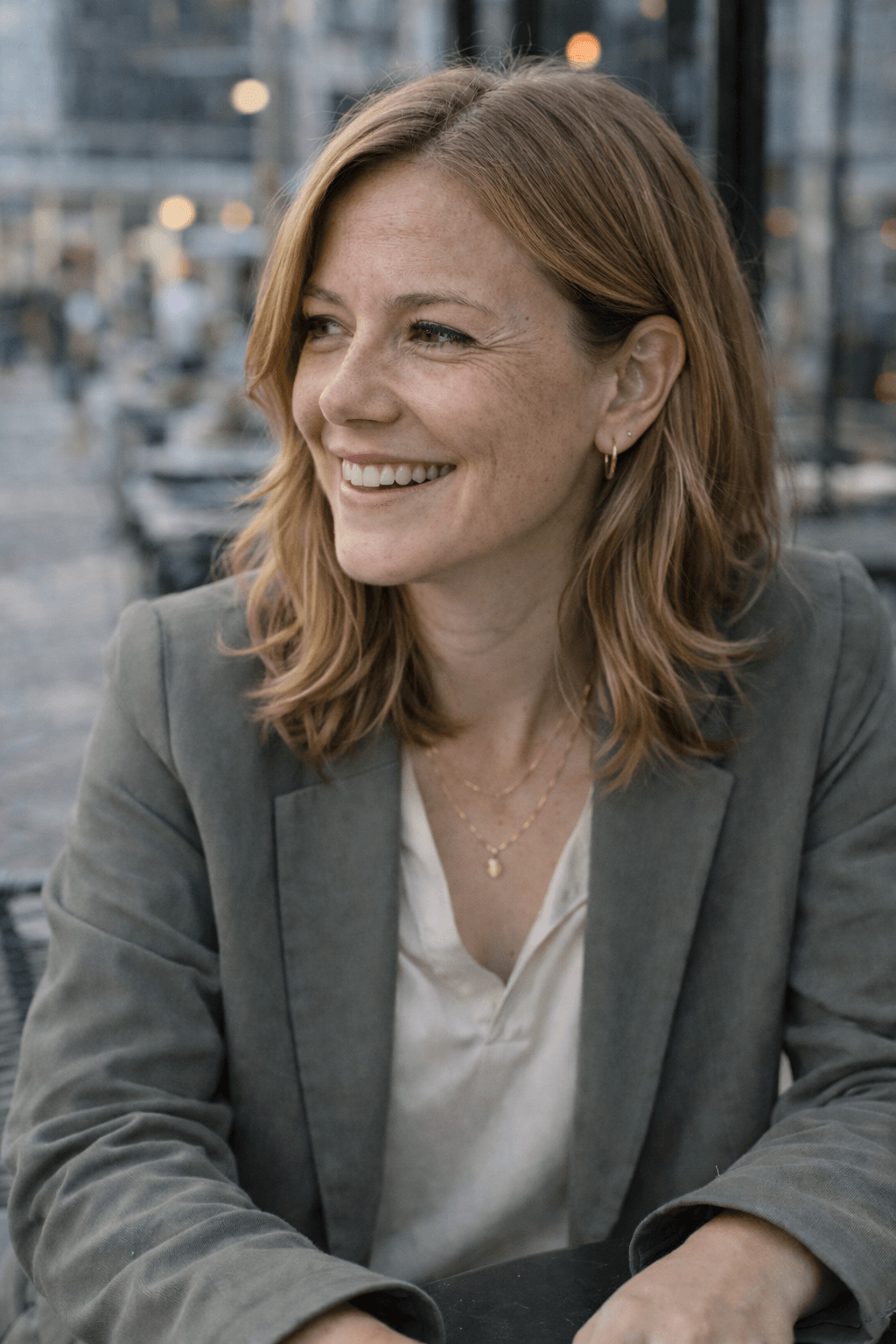
Maya’s reporting focuses on the civic side of city performance: what local governments prioritize, what trade-offs they accept, and why some policy frameworks produce stable, livable outcomes while others deepen frustration. She writes for readers who want more than headlines about crime, rent, or “urban decline.” Her goal is to explain the system beneath the story.
She frequently analyzes policy differences between cities such as Vienna, Zurich, Singapore, and Tokyo, while also examining why certain urban debates take on very different meanings depending on local context. Her articles often connect public sentiment with governance structure, revealing how policy choices shape trust in city institutions.
Maya approaches city journalism through policy mechanics rather than rhetoric. She looks at incentives, institutional capacity, local trade-offs, and the design of regulations that affect daily life. Her work often asks why two cities facing similar problems can produce such different outcomes depending on leadership, systems, and public priorities.
She is especially interested in how urban debates become oversimplified in public discourse. Her reporting aims to restore nuance without losing clarity, helping readers understand not just what cities are arguing about, but what is actually at stake.
Maya’s work is valued for bringing balance and depth to highly charged topics. Readers often turn to her articles when they want a more measured view of affordability crises, safety narratives, or controversial planning decisions. She is known for treating difficult subjects with seriousness while still making them readable and grounded.
Her editorial voice is careful, analytical, and often empathetic to the reality that policy debates are never purely theoretical — they shape rent payments, neighborhood trust, and people’s sense of security in everyday life.
When traveling, Maya pays close attention to the rules and norms that quietly reveal how a city governs itself: housing types, public notices, neighborhood upkeep, transit etiquette, street safety after dark, and how different groups share public space. She is often less interested in landmarks than in the patterns of daily urban life that signal whether a city is inclusive, stable, and well-managed.
Outside of work, she enjoys café writing sessions, independent bookstores, local history museums, and comparing how different cities communicate public policy to ordinary residents.
Maya writes for readers who want urban journalism that takes policy seriously. Her work is designed to clarify the hard choices cities face, the values behind those choices, and the consequences they create for residents over time.